
i30N Snorkel
CFD-optimized 3D-printed intake — built to maximize real airflow, not just look good.
At a glance
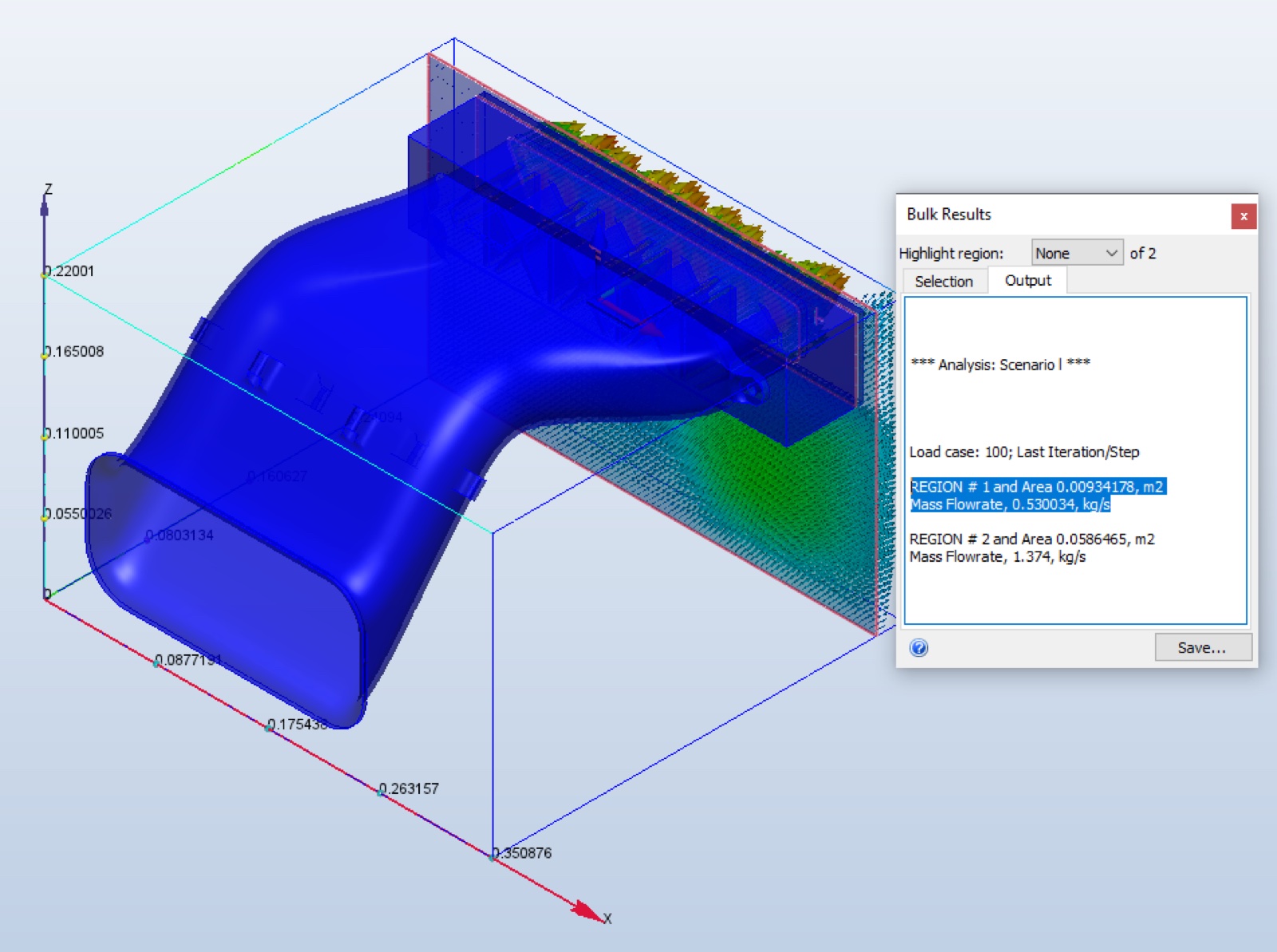
- 0.530 kg/s at 120 km/h — ~917 CFM measured in CFD
- OEM-matched fitment, reuses factory fasteners
- Installs without removing the radiator duct box
- UV-resistant, precision-printed polymer
Why this snorkel exists
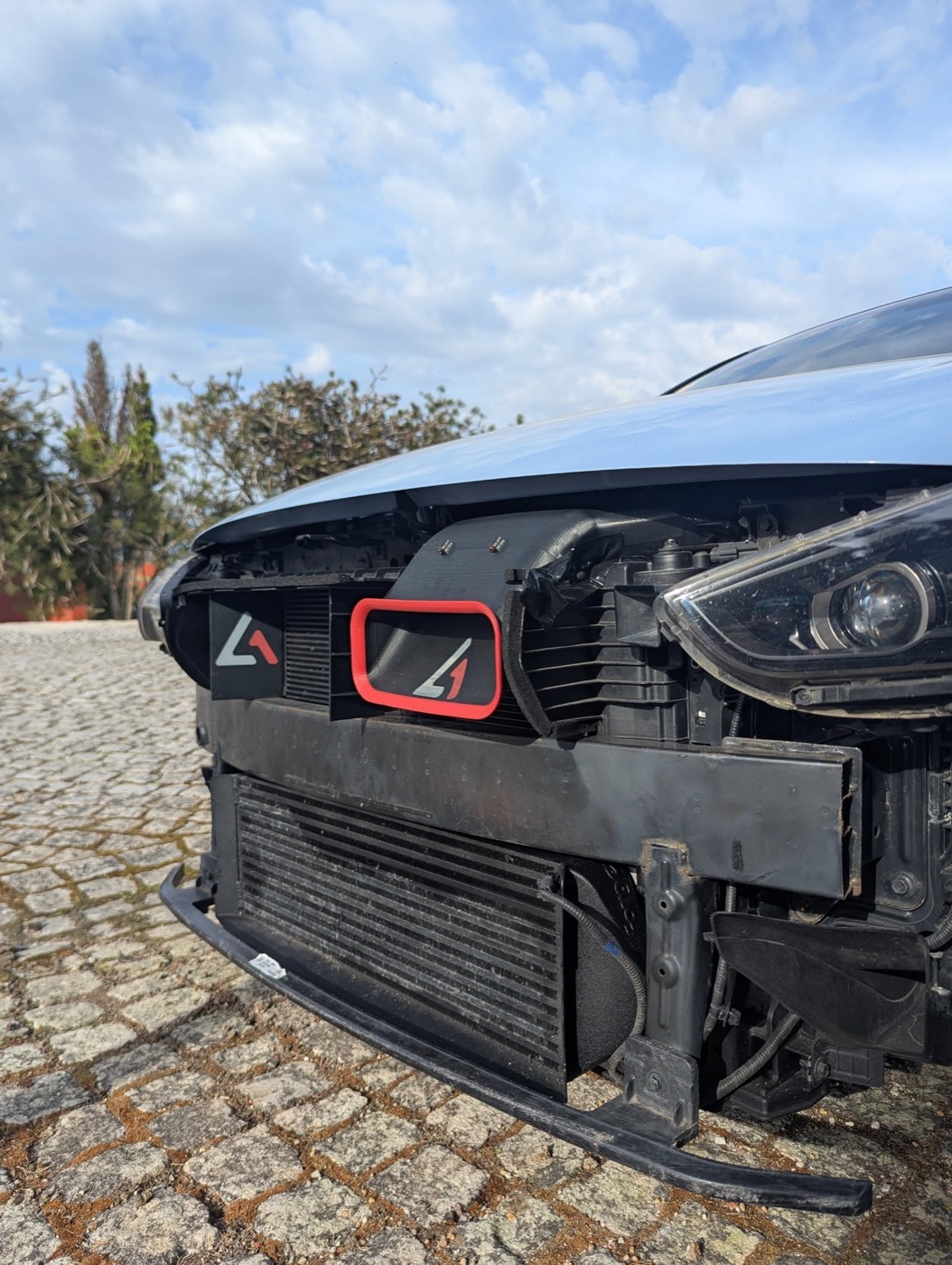
After years of track use, testing, and refinement, I've developed a CFD-optimized, 3D-printed intake snorkel for the Hyundai i30N — built to maximize real airflow, not just look good.
- OEM-matched fitment — no cutting, reuses stock mounting points.
- Smooth internal geometry — aerodynamic path from inlet to airbox.
- Largest achievable cross-section — maximizes intake area inside the OEM package.
- Install without pulling the duct box — only minor trimming required.
- UV-resistant material — holds colour and stiffness under direct sun.
- Precision-printed — each unit verified against the reference geometry.
Measured airflow, compared
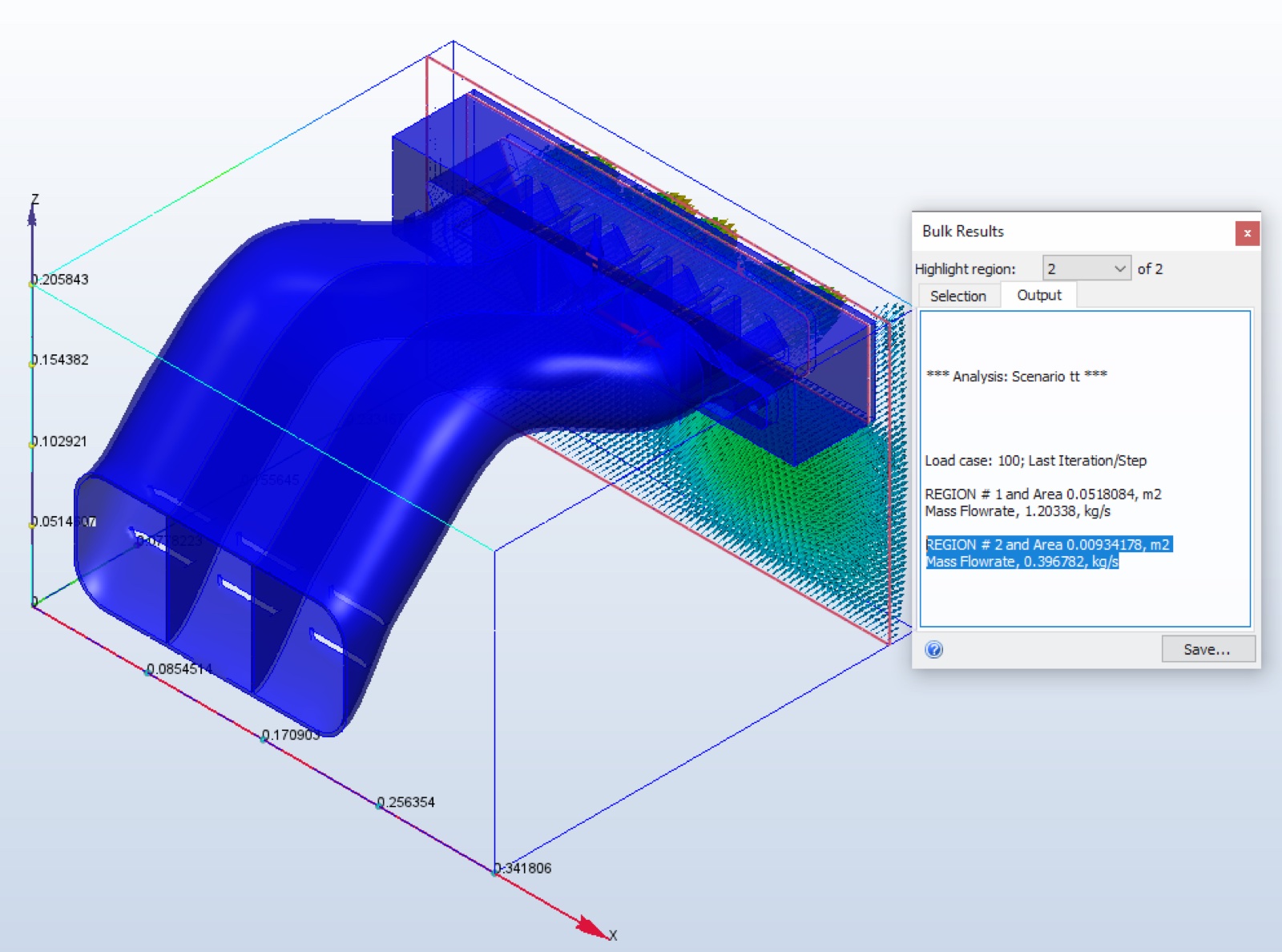
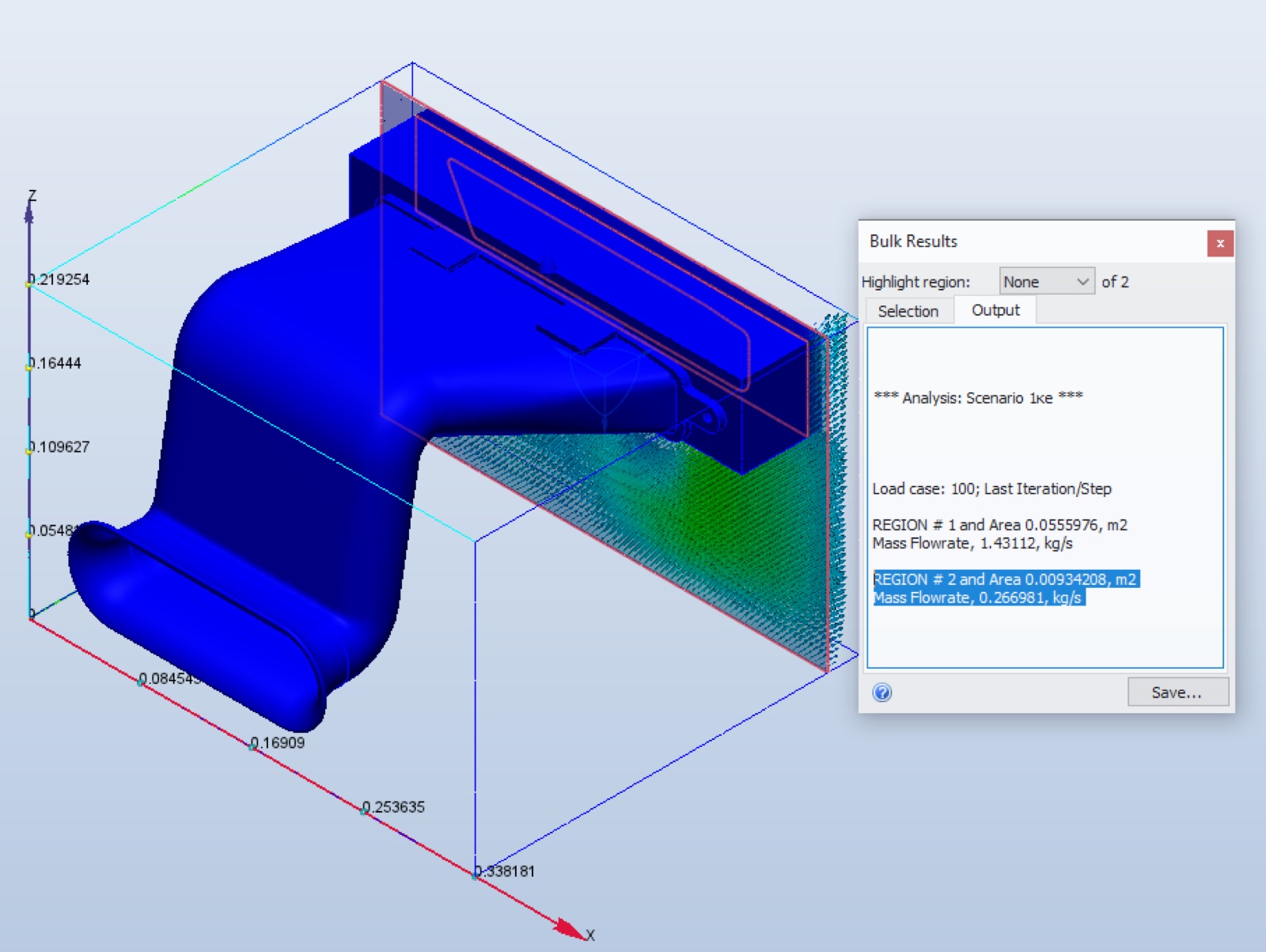
Three common intake options run through the same simulation at 120 km/h. Higher kg/s means more air reaching the airbox at full throttle.
From CFD to the paddock




No magic horsepower claims
This isn't about claiming magic horsepower — it's about making sure your i30N isn't starved for air when it matters most. If you track your car or push it hard on the road, the difference in response is noticeable. Happy to help any fellow N drivers who want to unlock more from their cars. Stay fast, stay cool.
CFD results are simulations at 120 km/h intake velocity — real-world numbers vary with ambient conditions and filter state.